Estimating & compliance, explained.
Practical notes on building-envelope estimating, Florida Building Code and HVHZ compliance, and running an estimating operation that scales, written by the team that does this work every day.

PDF drawings to CAD: what changes, and what doesn't
The file opens, the lines snap, and the drawing looks done. Then you measure it. Four things a PDF-to-CAD conversion does not carry across — and the two checks that still belong to the approval and the code.

What a 3D scan of a building measures — and which method you need
Three techniques produce three levels of accuracy. One shows the space, one measures it to about 1–2%, and one holds five millimeters. Which you need depends on what you'll do with the number.
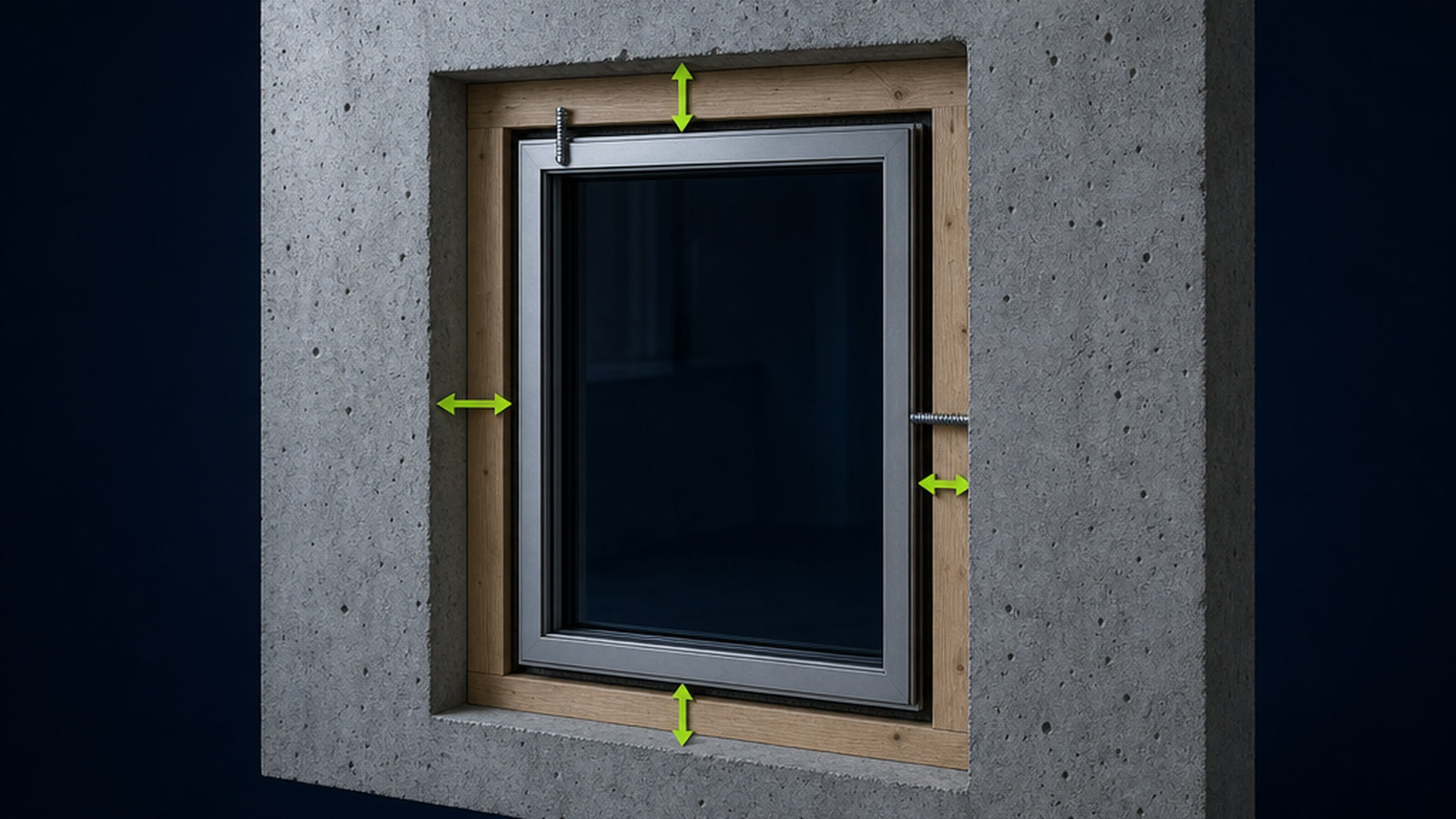
The rough opening is not in the NOA — where the number actually comes from
You will not find a rough opening in a Notice of Acceptance, and looking for one is how a sub quotes the wrong unit. The approval fixes a tested size at the frame; the opening is a tolerance owned by the installation instructions.

Miami-Dade vs. Broward: where the submittal actually differs
Same hurricane zone, two AHJs, and a design wind speed that is not the same in both counties. Here is where a submittal actually changes.
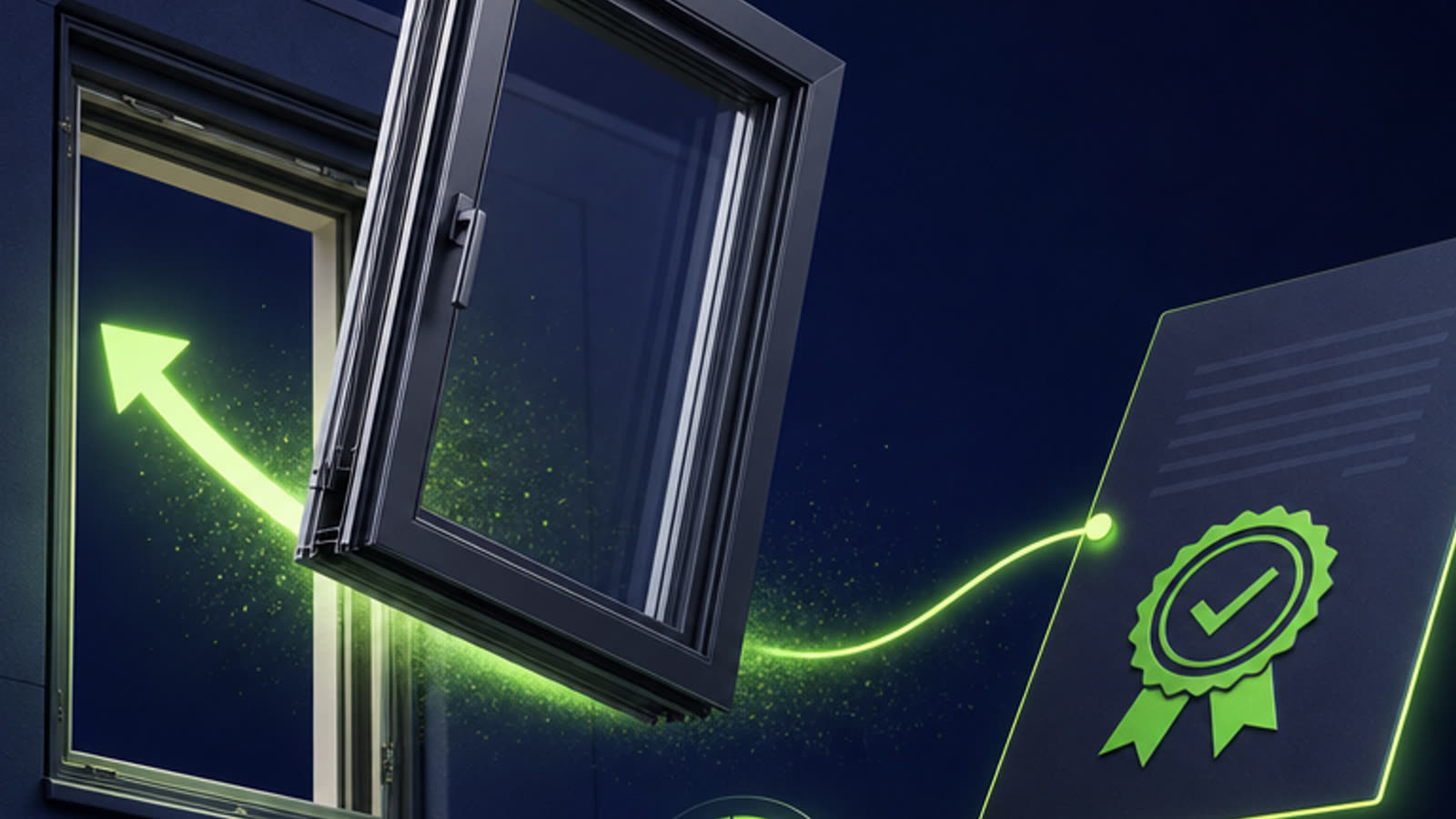
Do you need a new NOA when you replace a window?
Same-size does not mean permit-free. It means less review: no structural classification, no special inspector on a threshold building, a shorter shot clock. Here is the code behind each.

Components and cladding vs. MWFRS: which design pressure governs your windows?
The wind load on the beam schedule is not the number your window has to beat. Where the required design pressure actually comes from, and why it runs higher.

HVHZ vs. WBDR: what actually changes in your window submittal?
HVHZ and WBDR overlap on the coast but come from different codes, accept different tests, and approve different products. Here is how to keep them straight.

Large missile vs. small missile: which impact rating does your opening need?
Large-missile or small-missile? The Florida Building Code decides by elevation, not preference. Here is the 30-foot rule, the risk-category twist, and the exception that lets one rating cover both.

Where compliance info gets lost in handoffs
The estimate is done and every approval checks out. Then the job moves from estimating to project management and half of that compliance context stays behind. Here is where it leaks and how to stop it.

What breaks when bid volume doubles
More invitations sound like the problem you want, until the takeoff queue backs up and quotes start slipping. The bottleneck is rarely the estimators.

Allowances and contingencies: the arithmetic behind the number
An allowance and a contingency are not the same line, and confusing them is how a bid that looked healthy runs dry before closeout. Here is the arithmetic.
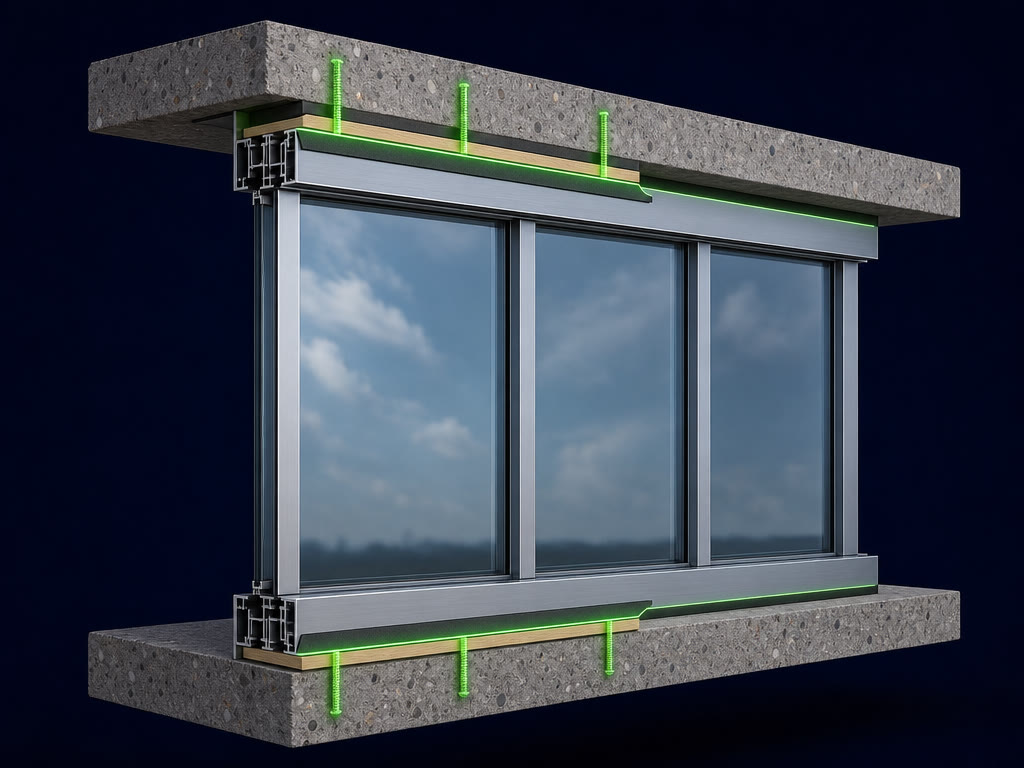
Scope gaps and how they blow up a low bid
The cheapest number at bid day is rarely the cheapest job once a scope gap surfaces. Here is where envelope scope disappears, and how to price the seams instead of guessing at them.

Bid leveling: making five subcontractor bids actually comparable
The low number is rarely the cheap one once you line up exclusions. Here is how to level five sub bids into a single fair comparison before your number goes out.

Window/door schedule vs. wall section: which takeoff do you trust?
The window and door schedule is the takeoff source of truth for quantities and sizes. The wall section wins for conditions. Here is how to decide when they disagree.

How to read a schedule of values: the cash-flow document hiding in your contract
The schedule of values decides when you get paid. Read it like a cash-flow document, not a cost breakdown.

The window submittal package checklist: what goes in, what gets it kicked back
The envelope submittal is a checklist, not a mystery. Here is what belongs in the package, who signs it, and the three mismatches reviewers bounce most often.

What a first-pass plan-review rejection actually costs
The page says rework takes another 24 hours to 10 business days. That is one cycle. The real cost is what a rejection does to your calendar, your schedule, and every submittal behind it.

How to verify a NOA or Florida Product Approval is still valid
Two approval systems, two different validity rules — one dies on a calendar date, the other dies quietly when the code edition moves. Here is the check.

Window energy ratings: U-factor and SHGC (NFRC 100 and NFRC 200)
Two numbers on an NFRC label, one code table, and a climate zone that decides which of them your window line can survive.
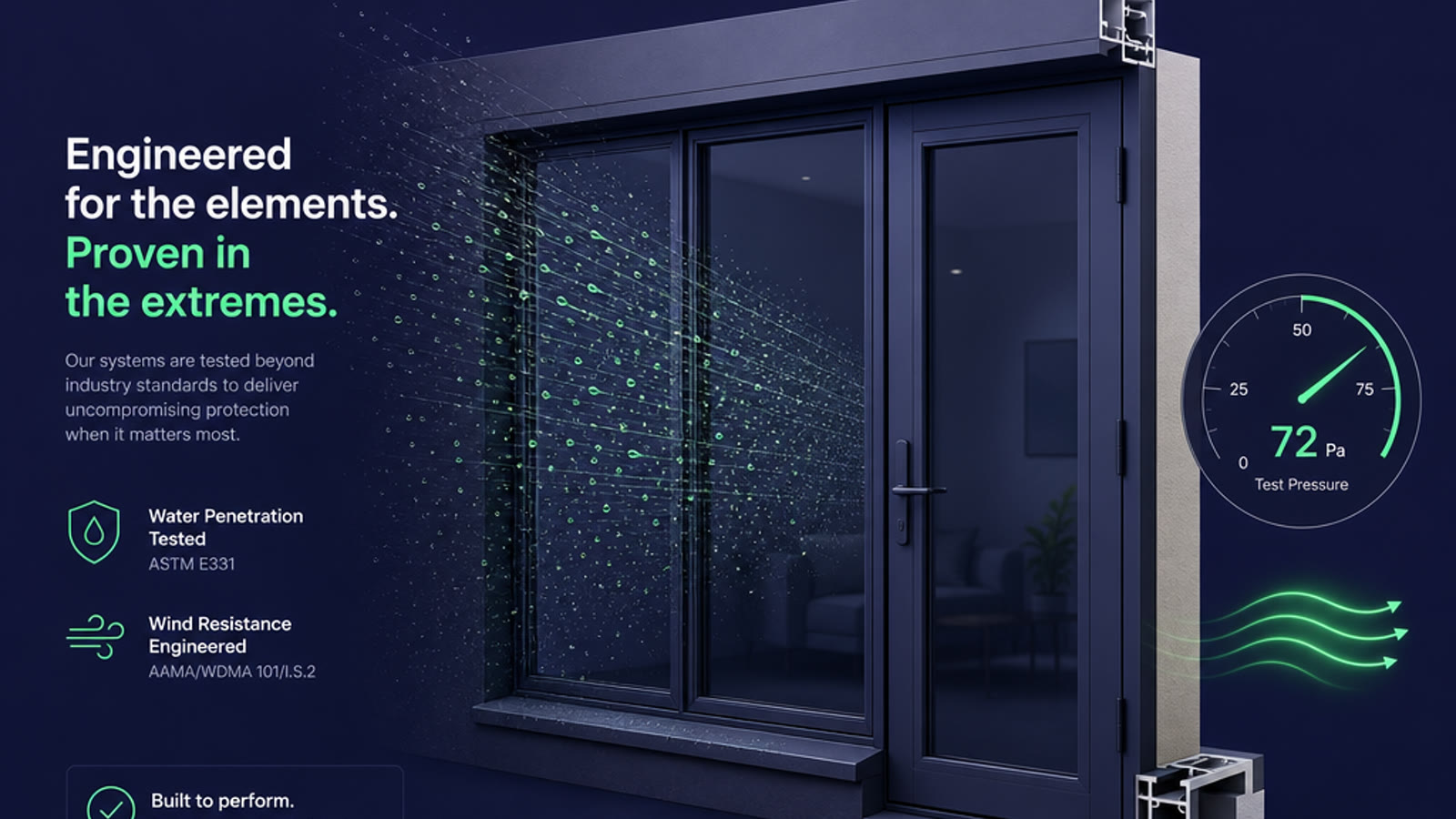
Water infiltration and air leakage: the two structural ratings that stall a window submittal
Three structural ratings on a window: design pressure, water infiltration, air leakage. The last two stall HVHZ submittals; FBC energy adds NFRC U-factor, SHGC.

What 'impact-rated' really means: TAS 201, 202, and 203
A window's impact rating is not one test. It is three Miami-Dade protocols — debris impact, static wind load, and cyclic pressure after the hit — and knowing which is which tells you what an approval actually covers.

How to read a Miami-Dade NOA document: field by field
The NOA is not one number. It is a certification with several sections a reviewer reads in a specific order. Here is the field-by-field breakdown.

Positive vs. negative design pressure: the side that usually gets your submittal rejected
A window rated +50/−50 is not the same as one rated +50/−35. Here is what the negative number on an HVHZ submittal actually demands, and where it comes off the drawings.

FBC 9th Edition (2026): what changes for your envelope submittals on December 31
On December 31, 2026 the Florida Building Code flips to the 9th Edition. ASCE 7-22 wind loads, an expanded 160 mph zone, and product-approval revalidation change what a compliant envelope submittal looks like.
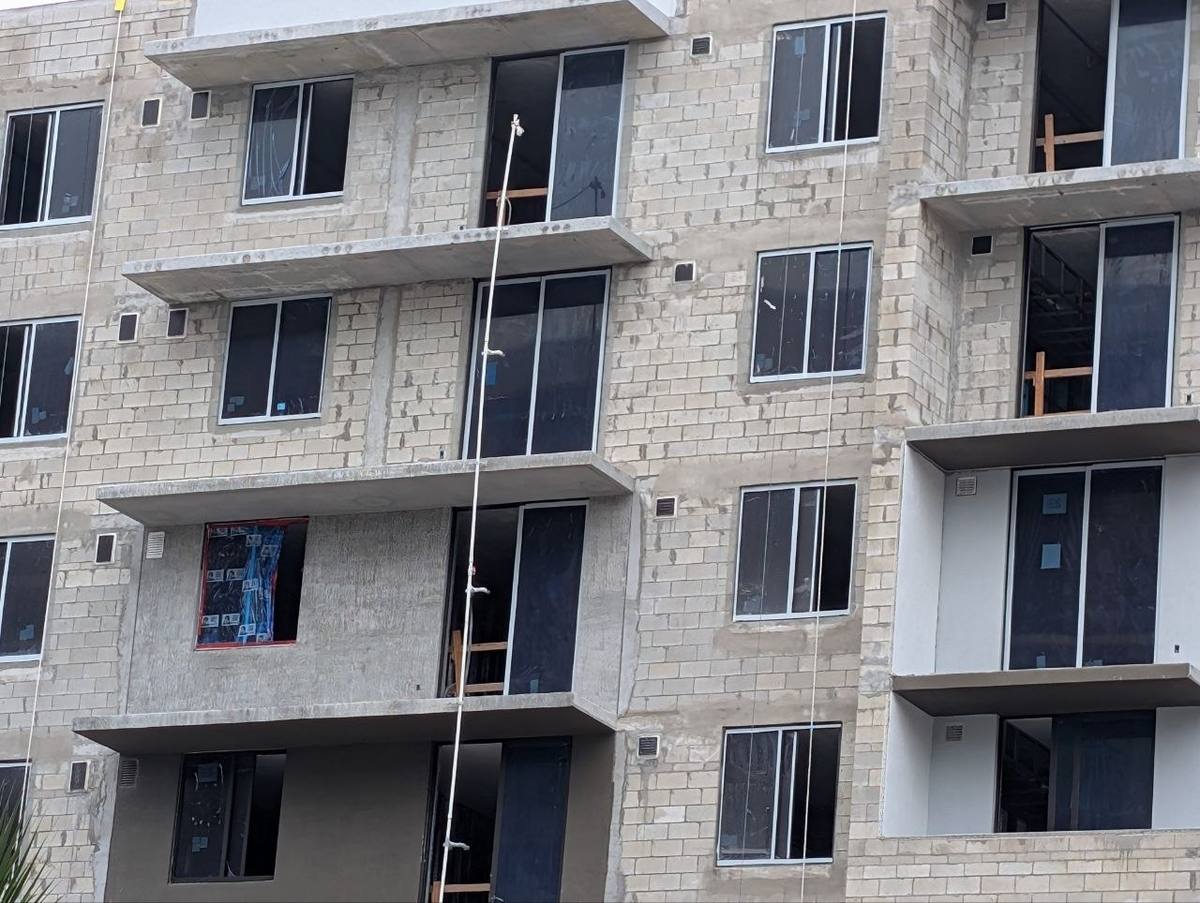
Painting a New Window Voids Its Finish Warranty
AAMA 2604 and 2605 are factory-applied finishes. Paint over them in the field and the finish warranty is gone — along with the protection you were counting on.

HVHZ design pressure: the number your window submittal lives or dies on
A window's design pressure rating has to clear the pressures on the structural drawings — not the product data sheet. How to pull the right number before you order.

NOA vs. Florida Product Approval: which one does your submittal actually need?
Two approval paths, two different jurisdictions, and one of the most common reasons a building-envelope submittal comes back rejected. Here is how to tell them apart before you order product.